
Work Projects

1.
Holography
I was introduced to holography in about 1979 and I have been thinking about it ever since. It is a deep subject.
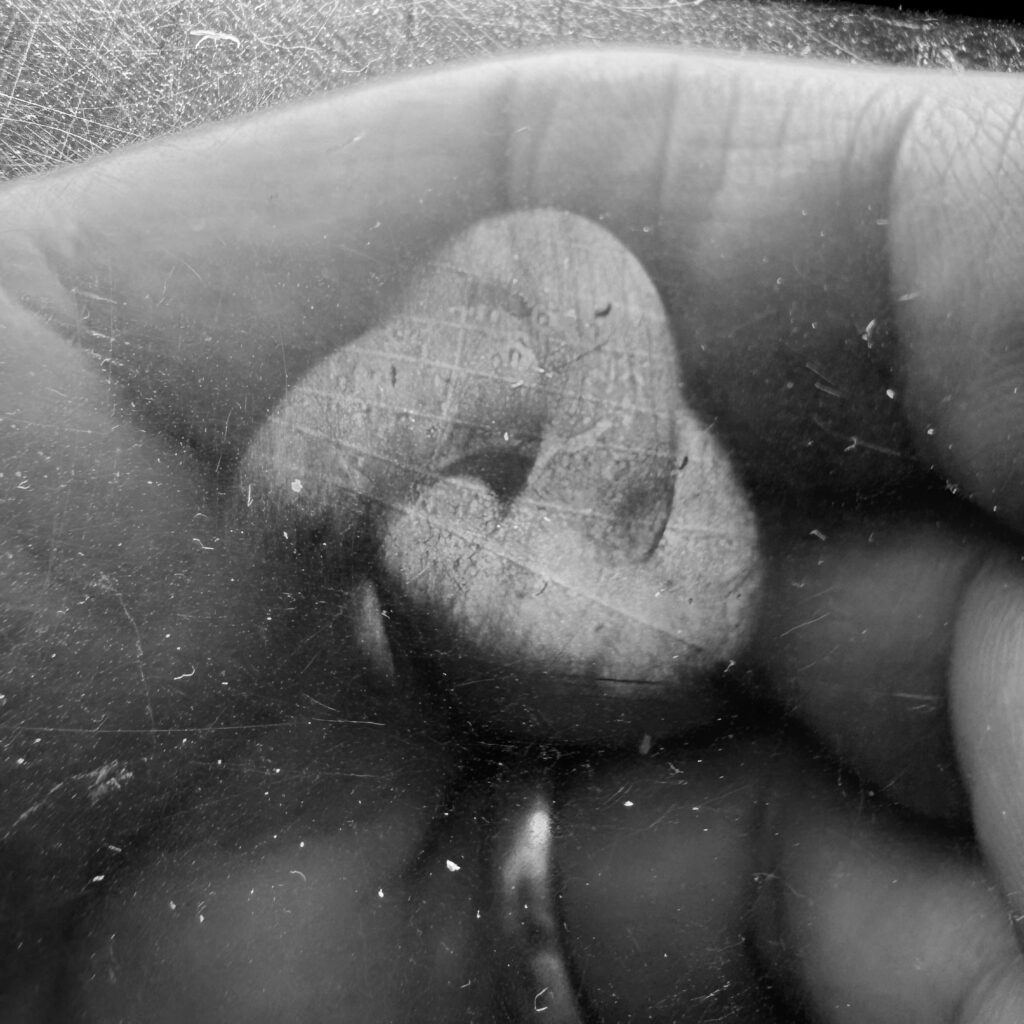
This image is of a 28 year old embossed piece of clear plastic that I made as part of a project that won the Hunt Science Award in 1998 at the Oregon Institute of Technology while getting a B.S. degree in Laser Optical Engineering.
I went on to work several years doing holography in industrial applications such as telecom, defense, computing, and consumer products. I specialized in volume phase holograms using di-chromated gelatin, and plastic polymers. I am the first inventor on a transceiver design comprising a large hologram that was funded by DARPA for airborne laser communications.
2.
Consumer products
We had the very good fortune to work with teams of very talented designers and engineers on some very iconic products. The part I liked the best was achieving the esthetic goals of the product’s designers. The job of the engineer is to realize dreams on a budget, and we were pretty good at doing that too. Things that look beautiful but that are expensive never make it into production.
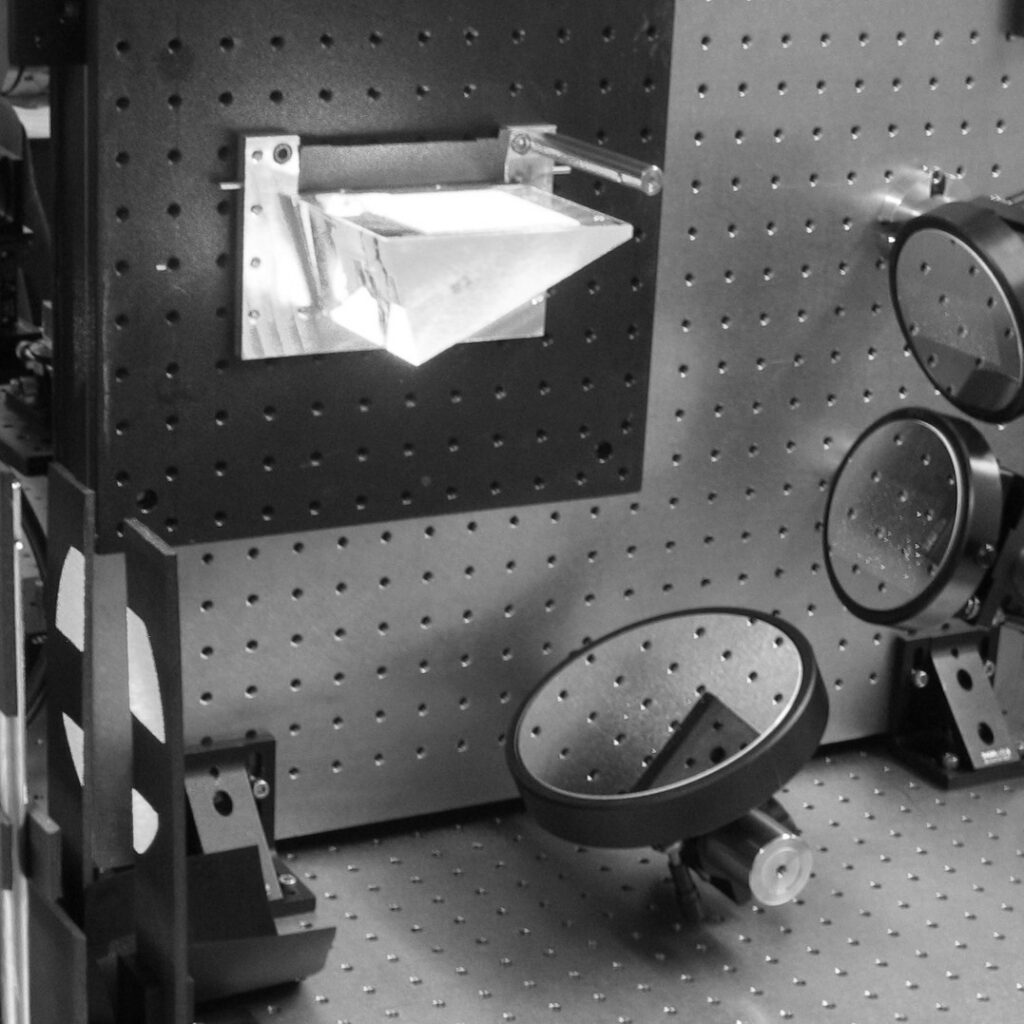
Pictured here is a holography exposure setup used to create a hologram for VR goggles.
3.
Microscopes
When the iPhone became a high quality camera, all of a sudden it was possible for the average person to upload micrographs to the internet. I saw this as an opportunity to democratize high power microscopy. I still think there is a lot of opportunity on this area, and I continue to develop products in this field.
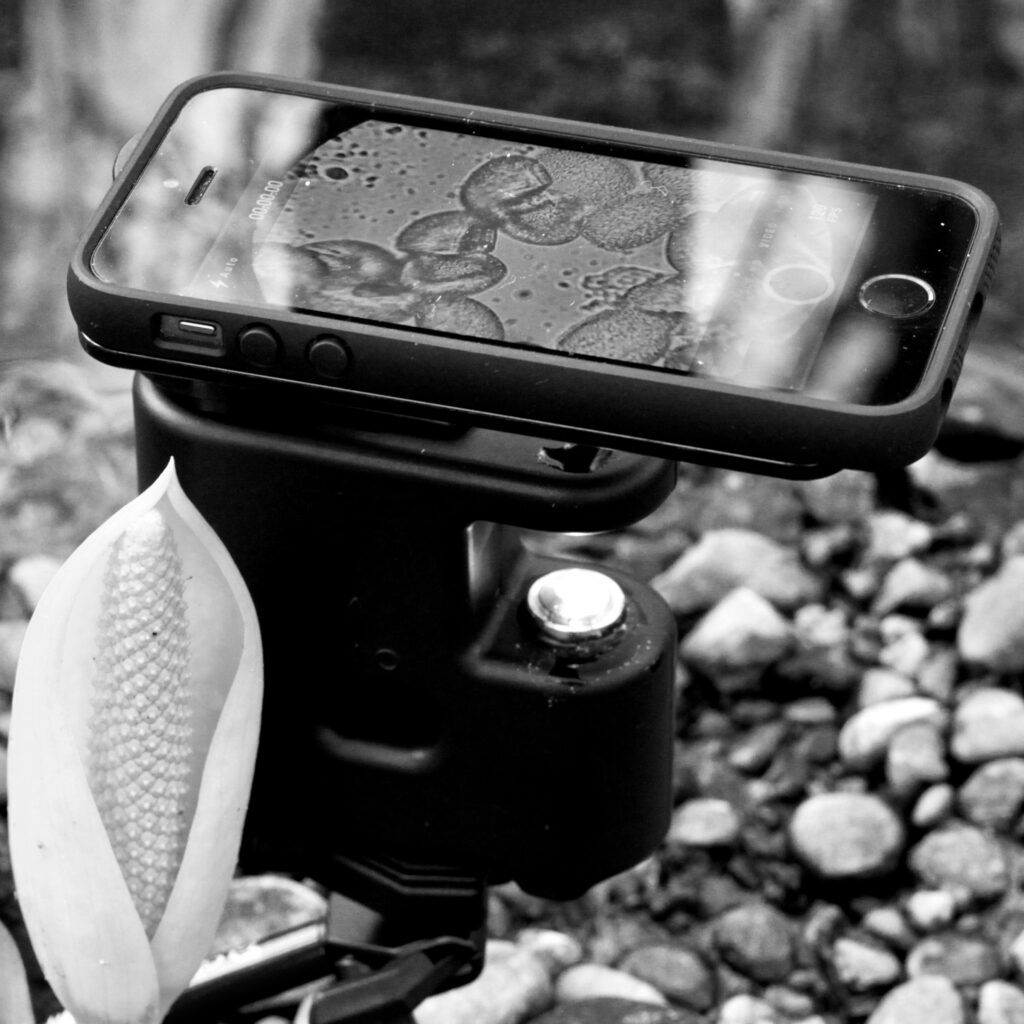
I took a break from consulting and put together a Kickstarter campaign for a compact 800x microscope I branded The MicrobeScope in 2014. It enabled laymen to see individual bacteria in immersion and photograph them with a cell phone. This was a revolutionary and patented device that became very popular because it was inexpensive and could be used in the field and carried in a back pocket.
4.
Minispot 365
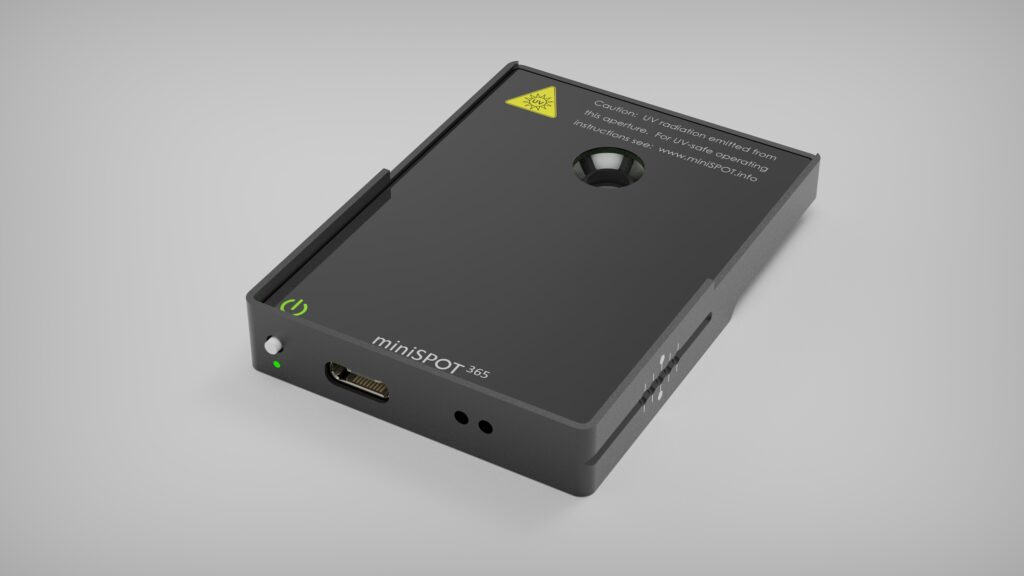
For the last few years I have been working on illumination systems for microscopy applications and machine vision. Half of good microscopy is image formation, but equally important is the quality of the illumination. A lot can be learned about a sample if the right kinds of illumination are used. Traditionally, high-end microscopes that incorporate more sophisticated illumination options are big, expensive, and require 120v power. We have patented a novel technology that disrupts this tradition. The MiniSpot 365 is an inexpensive lighting accessory that is small and battery powered, yet it brings the illumination quality and power of higher end scopes. And, importantly, the MiniSpot can be used with almost any scope. It enables people to see many new things on the scope they already own.
The process of collaboration
Initial Consultation Session
We begin with a personalized consultation to understand your vision, preferences, and project requirements for successful outcomes.
Concept Development
Next, we create detailed sketches and concepts, ensuring your ideas resonate clearly before moving to the fabrication phase.
Prototyping and Fabrication
In this phase, we make something quickly that can be critiqued and evaluated to make sure we are aligned, and then we make something permanent.
Final Review and Transfer
Lastly, we conduct a final review, making necessary adjustments, and assist with the transfer of created materials.